


(June 22, 2020 11:15 AM) University of Michigan President Dr. Mark Schlissel announced today that the University of Michigan plans to offer an in-residence semester this fall. It will consist of a mixture of in-person and remote classes structured to reflect the school’s commitment to promoting public health while fulfilling the fundamental mission of transformative undergraduate, graduate and professional education.
In a statement released today, Schlissel said:
“Thanks to the thoughtful and deliberate efforts of hundreds of members of the U-M community, our cautious optimism about the fall has coalesced into a path forward. Their work has given me confidence that we can do this safely, and we will continue to plan and prepare in the months ahead. We now have the opportunity to begin a new journey together, equipped with the very best guidance and ideas from our leading scholars, innovative students and expert staff.
“Because of the ongoing challenges of COVID-19, the semester ahead will look and feel different than anything we have seen before. But the pandemic won’t change our commitment to the members of our community.
“Although not all courses will be available in every format, most students will be able to choose whether to return to Ann Arbor for a hybrid learning experience or study from home in a fully remote mode.
“Our Ann Arbor campus will open its residence halls for housing and dining, and will offer many on-campus programs and activities that enhance the college experience. UM-Dearborn and UM-Flint have campus-specific plans for hybrid instruction that their chancellors will share with their communities.
“The COVID-19 pandemic has been substantially contained in many parts of the country including Michigan. Nonetheless, the potential for new infections, whether students are at home or in residence, will continue throughout the coming academic year, and perhaps beyond, until a safe and effective vaccine is developed and administered widely, or a successful drug regimen is discovered. Our plan to conduct an in-person semester relies on basic public health strategies including social distancing, minimizing out-of-area travel, wearing face coverings, washing hands frequently, symptom screening, clinical testing, contact tracing and quarantine that add up to a highly effective way to limit spread of this illness, allowing students to pursue their Michigan education.
“We will protect our students, faculty and staff with a broad array of research-based public health measures and tools. We will make full use of our longstanding excellence in teaching and learning, both in person and online, and tap our innovative spirit to deliver a world-class Michigan educational experience in these most unusual times. And we will ask all of you to join in prudent health and safety actions that will embody our commitment to caring for one another.
“The primary components of our fall plan for the Ann Arbor campus are described below. We also have launched a Maize and Blueprint website with more information. It will be updated regularly as more details are finalized. Please note, however, that major changes in conditions could mean we have to adjust parts of our plan. We will remain agile and ready to adapt as needed because we have seen how quickly circumstances can change.
“In the meantime, all staff and faculty who can work from home should continue to do so, and our previously announced plan to gradually and carefully resume various campus activities will continue.”
President Schlissel provided more detail in the statement and unveiled the “Campus Maize and BluePrint”, a website dedicated to the return to campus.
Students on the Ann Arbor campus will be able to choose from a full set of courses. Courses will be offered in formats that include in-person, remote and mixed instruction depending on curricular needs.
Decisions about which courses and sections to offer in which formats will be made by schools, colleges and departments to fulfill their own educational needs.
Generally, large classes will be held remotely, small classes will be held in person, and medium-size classes will be a hybrid of the two. This and other means can be used to diminish classroom density.
The Provost’s Office will work with schools and colleges on the application of these guidelines to help ensure academic program needs are met. The University will also make other changes that reduce density in classrooms and academic buildings. There will be fewer seats filled and limitations on the use of gathering areas to preserve physical distancing.
For the Ann Arbor campus, classes will begin Aug. 31, 2020, as previously scheduled, but fall break will be eliminated. The last day of in-person classes for the semester will be Friday, Nov. 20. After a nine-day-long Thanksgiving break, classes will resume remotely on Monday, Nov. 30 and continue until Dec. 8., with finals running Dec. 10-18.
There will not be a December Commencement ceremony this year, and graduates will be invited to participate in spring ceremonies as they normally are.
For the winter term, classes will begin on Jan. 19, 2021, immediately after U-M’s traditional Rev. Martin Luther King, Jr., Symposium on Jan. 18. The later January start will give time for implementing any needed public health protocols before students return to campus, and spring break will be eliminated. Finals will run April 22-29.
The University is planning on extensive COVID-19 testing and is finalizing plans and protocols for student, faculty and staff testing and building capacity for additional contact tracing.
Michigan Housing will set aside living spaces to quarantine and care for those with significant exposures to others diagnosed with COVID-19, as well, to isolate those diagnosed with this infection who cannot return home to recuperate.
Universitywide, more hand sanitizer, masks and other forms of personal protective equipment are being purchased to be provided to students and staff.
Many student-athletes have already returned to campus for voluntary conditioning activities under strict public health guidelines. Michigan Athletics is working with public health experts and consulting with the Big Ten and NCAA on determining whether student-athletes can safely return to competition this fall. An announcement will be forthcoming in the weeks ahead.
Students planning to live in U-M Ann Arbor residence halls will receive more specific information from Michigan Housing in the weeks to come.




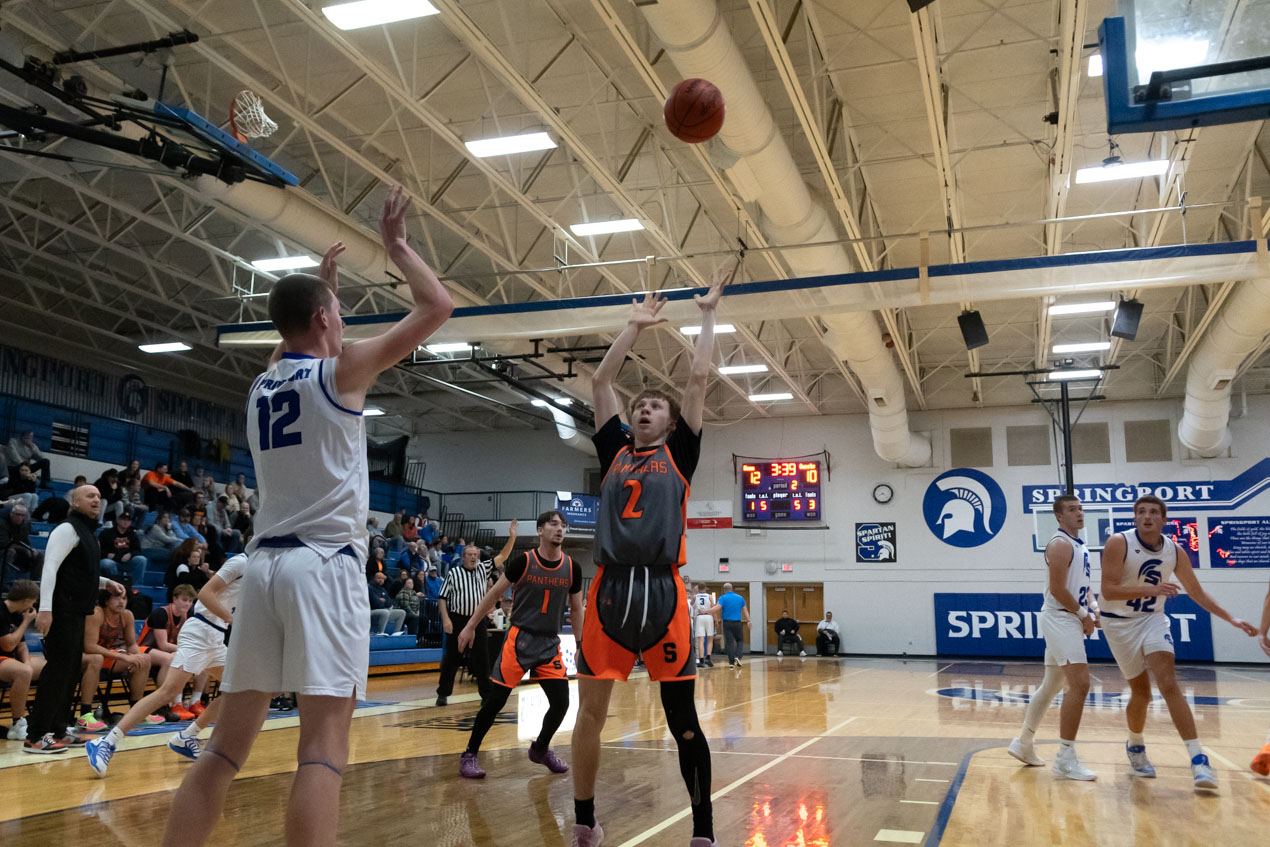
Boys Basketball Stockbridge vs Springport, 12-12-25 | Photo Gallery

Hockey Allen Park vs. Lumen Christi, 12-12-25 | Photo Gallery
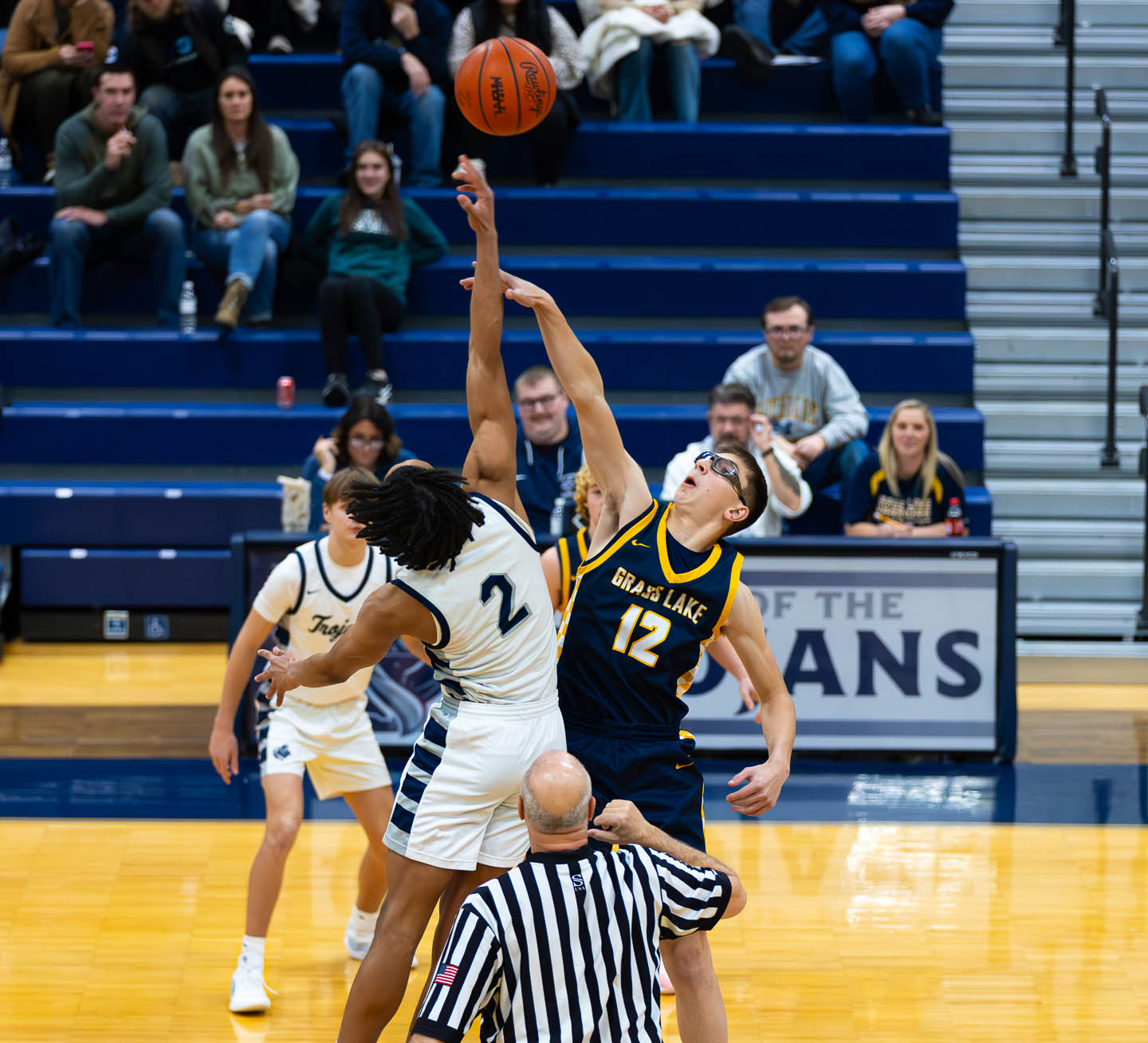
Boys Basketball Grass Lake vs East Jackson, 12-12-25 | Photo Gallery


 4°F
4°F


